
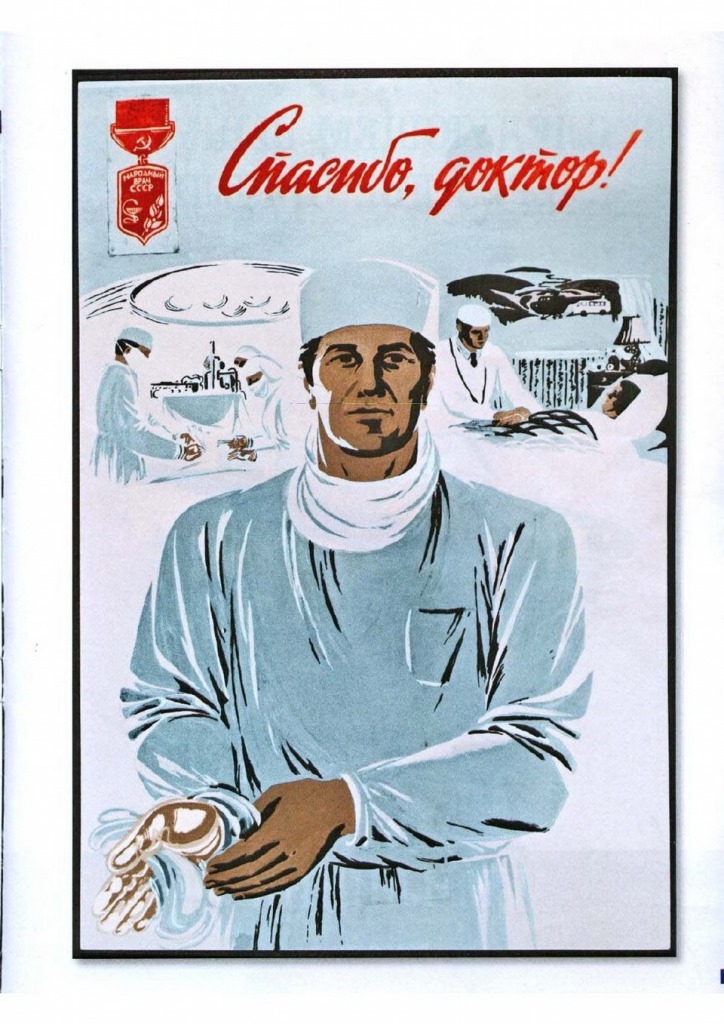
“As Reliable as a Kalashnikov Rifle”: How Sputnik News Promotes Russian Vaccine Technologies in the Turkish Twittersphere
Summary
The article titled “How Sputnik News Promotes Russian Vaccine Technologies in the International Arena” examines how Sputnik News, a state-funded Russian media outlet, has portrayed Russian COVID-19 vaccines to international audiences. The study analyzes the narratives and strategies employed by Sputnik News to promote these vaccines globally.
Findings
The research reveals that Sputnik News utilized a combination of national pride, scientific achievement, and geopolitical positioning to advocate for Russian vaccines. The outlet emphasized the efficacy and safety of Russian vaccines while often contrasting them with Western alternatives. Additionally, Sputnik News framed Russia as a leader in global health efforts, aiming to enhance its international image and influence through vaccine diplomacy.
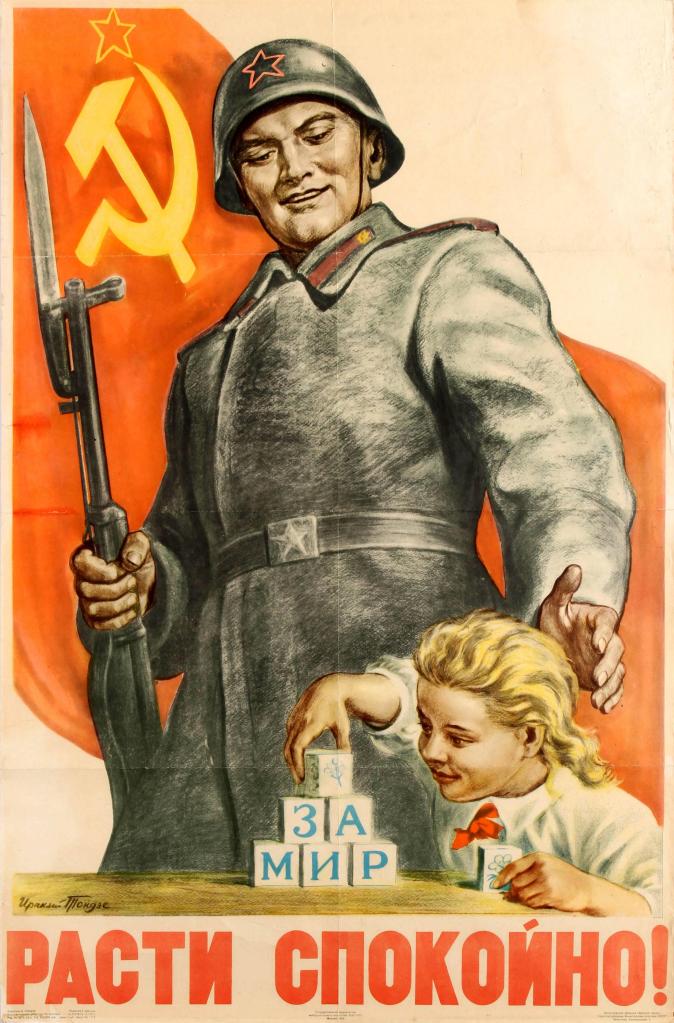
“Russia, the Mediating Power”: Assessing Sputnik Türkiye’s News Coverage of the Second Nagorno-Karabakh War
Summary
This study examines how Sputnik Türkiye framed the Second Nagorno-Karabakh War in its news coverage, exploring Russia’s strategic use of media narratives in Turkey. Using a combination of computational methods and critical discourse analysis, the authors analyzed 1201 articles published by Sputnik Türkiye during the conflict. The paper situates the findings within broader discussions on Russian public diplomacy, media influence, and the instrumental role of localized international broadcasting in shaping regional perceptions.
Findings
The analysis identified four dominant frames: (1) Russia as a peaceful mediator and regional stabilizer, (2) Armenian Prime Minister Nikol Pashinyan as a Western-backed antagonist, (3) Azerbaijan as the rightful party and Armenia as the aggressor, and (4) Russia and Turkey as strategic partners with occasional disagreements. Together, these narratives constructed a pro-Russian and pro-Azerbaijani discourse that emphasized Russia’s diplomatic authority, justified Azerbaijani military actions, and portrayed Turkey as a valuable, though secondary, regional partner.
 DigitalGarden